
AC Maintenance
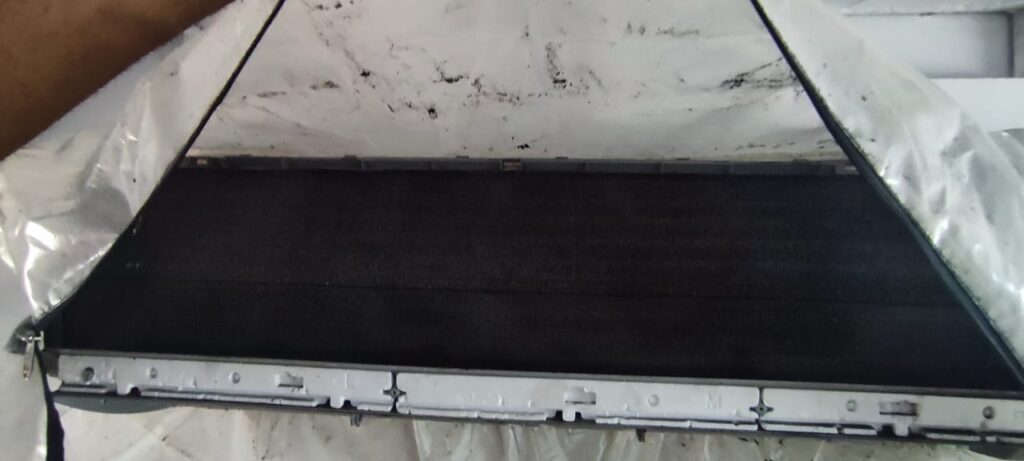
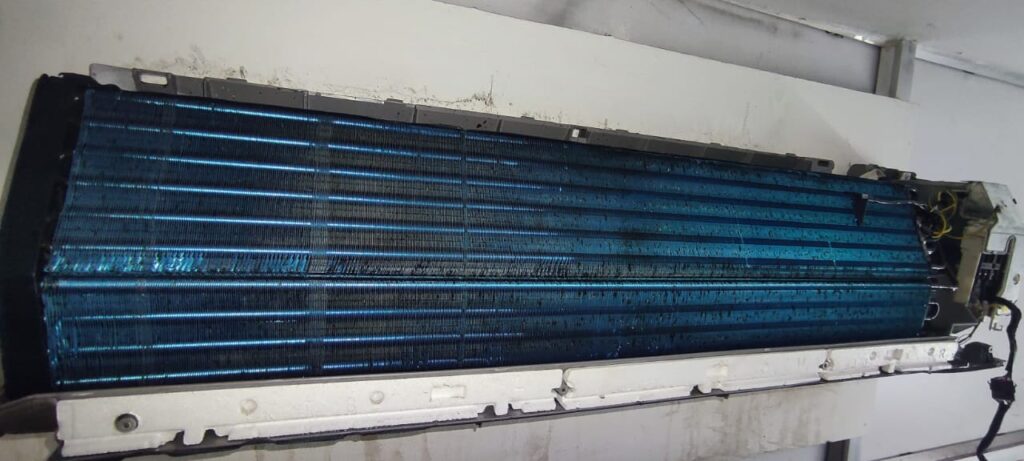
Preventive maintenance for air conditioning (AC) systems is essential to ensure their efficiency, reliability, and longevity. There are several types of preventive maintenance tasks that can be performed on AC systems to keep them in optimal working condition. Here are some common types of preventive maintenance for AC systems:
1. Regular Cleaning:
• Clean or replace air filters: Dirty or clogged filters can restrict airflow and reduce system efficiency.
• Clean evaporator and condenser coils: Dust and debris can accumulate on coils, reducing heat transfer efficiency.
• Clean condensate drain lines: Clogged drain lines can lead to water leaks and Mold growth.
2. Inspections:
• Regular visual inspections: Check for signs of wear, damage, leaks, or corrosion in components like fans, belts, electrical connections, and refrigerant lines.
• Thermostat inspection: Ensure that the thermostat is functioning correctly and accurately maintaining the desired temperature.
3. Lubrication:
• Lubricate moving parts: Bearings, motors, and other moving parts should be lubricated to reduce friction and wear.
4. Electrical System Checks:
• Test electrical connections: Tighten loose connections and inspect for signs of overheating or damage.
• Check voltage and current: Ensure that the electrical supply matches the manufacturer’s specifications.
5. Refrigerant Level Checks:
• Check refrigerant levels: Improper refrigerant levels can lead to decreased cooling efficiency and potential compressor damage.
6. Performance Testing:
• Measure system performance: Use temperature and pressure measurements to ensure that the system is cooling properly.
• Airflow testing: Verify that the air distribution is even and adequate throughout the conditioned space.
7. Calibration:
• Calibrate controls: Ensure that temperature and humidity controls are accurate and functioning as intended.
8. Condenser and Evaporator Coil Maintenance:
• Straighten coil fins: Bent or damaged coil fins can impede airflow, affecting system efficiency.
9. Belt and Motor Inspection:
• Check belts for tension and wear: Loose or worn belts can reduce fan efficiency.
• Inspect motors: Lubricate if needed and check for signs of wear or overheating.
10. Safety Checks:
• Inspect safety controls: Test and verify that safety switches and controls are operational.
• Check carbon monoxide detectors: For systems that also provide heating, ensure that CO detectors are functioning.
11. Documentation:
• Keep records: Maintain a maintenance log detailing performed tasks, dates, and any issues discovered.
12. Visual Inspections:
• Check for refrigerant leaks: Low refrigerant levels can lead to poor cooling performance and damage to the compressor.
• Inspect electrical connections: Loose or corroded connections can lead to system malfunctions or even electrical hazards.
• Examine belts and pulleys: Worn or damaged belts can lead to reduced airflow and inefficient cooling.
13. Calibration and Adjustment:
• Check thermostat accuracy: Accurate thermostat settings ensure proper cooling and energy efficiency.
• Verify controls and safety switches: Ensuring these components work correctly helps prevent system failures and potential hazards.
14. Condensate Drain Maintenance:
• Clear condensate drain lines: Clogged drain lines can cause water leaks and damage to the system and surroundings.
15. Inspect Ductwork:
• Check for leaks or blockages in ducts: Leaks and blockages reduce cooling efficiency and indoor air quality.
16. Performance Testing:
• Measure temperature and pressure differentials: These tests help ensure the AC system is operating within the optimal range.
• Monitor airflow: Proper airflow is crucial for efficient cooling.
17. Seasonal Tune-Ups:
• Before each cooling season, it’s recommended to perform a comprehensive inspection and maintenance routine to address any issues before they become major problems.
18. Coil and Fins Cleaning:
• Clean the evaporator and condenser coils to remove dirt and debris, as these can hinder heat exchange efficiency.
• Straighten bent coil fins to maintain proper airflow.
19. Replacement of Worn Parts:
• Replace worn-out or damaged components: Components like belts, bearings, capacitors, and motors can wear out over time and need replacement.
20. Refrigerant Level Check:
• Monitor and maintain proper refrigerant levels to ensure efficient cooling and prevent strain on the compressor.
21. Outdoor Unit Inspection:
• Clear debris around the outdoor unit: Leaves, branches, and other debris can block airflow.
22. Regular Professional Maintenance:
• Schedule annual or bi-annual maintenance visits by professional HVAC technicians to perform thorough inspections and necessary maintenance tasks.
Regular preventive maintenance not only ensures optimal AC performance but also helps prevent costly breakdowns and extends the lifespan of the system. It’s important to follow manufacturer guidelines and recommendations for maintenance tasks specific to your AC model.
